
Fatherhood: The Long Work of Becoming a Dad
By Candor & Hope Therapy Inc.
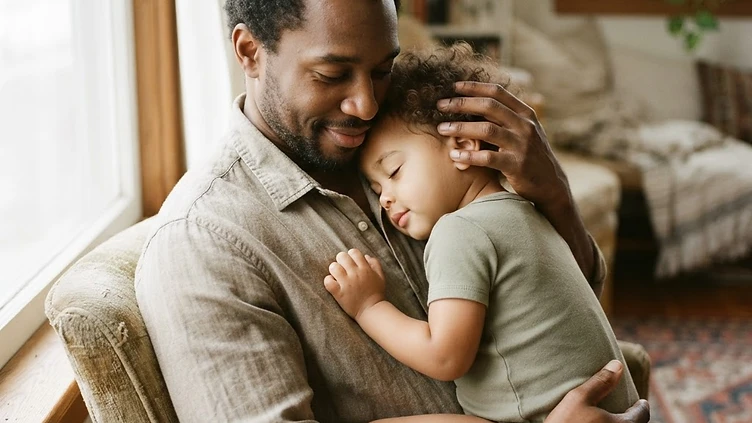
Fatherhood is one of the most profound transformations a man can undergo — and one of the least prepared-for. Here's a honest look at presence, the permission to feel, repair, and the long becoming of being a father.
Fatherhood is one of the most profound transformations a man can undergo, and it is also one of the least prepared-for. Most men step into it with a few inherited models — some good, many not — and a lot of pressure to figure it out while doing it. There is no manual, and the cultural conversation about fatherhood often reduces a man to either provider or playmate, missing the larger, harder, more beautiful role he is actually being asked to play. This is an attempt to name that role honestly.
## Fatherhood changes you
Becoming a father changes a man, and not only in the obvious ways. It reorganizes your priorities, your time, your identity, and your nervous system. Many men describe a shift in what matters — a softening toward the world, a ferocity about protecting someone small, a new relationship with their own mortality. Some feel these changes immediately; others feel them slowly, over years. All of them are normal. Fatherhood is not a single event but a long becoming, and a man who expects himself to have it handled on day one is carrying an expectation no one could meet.
## The models you inherited
Every father carries the fathers who came before him — his own father, his grandfathers, the fathers he saw on television, the men his culture told him to be. Some of these models are worth keeping. Many are not. The work of conscious fatherhood begins with sorting the inheritance: keeping what was good, grieving what was missing, and refusing to pass on what was harmful. You do not have to repeat what was done to you, and you do not have to reject it wholesale either. You get to choose, consciously, the kind of father you want to be.
This is harder than it sounds, because the inherited patterns live in the body, not just the mind. The way your father handled anger, affection, disappointment, and praise is wired into your default reactions. Becoming a different kind of father means noticing those defaults and choosing, over and over, to respond differently. It is slow work, and it is some of the most important work a man will ever do.
## Presence is the real provision
The old story said that a father's main job was to provide, and that providing meant material provision — the house, the income, the security. That provision is real and matters; we will say more about it in its own piece. But the deeper truth is that a child's primary need of a father is presence. Being there — really there, not physically present while mentally elsewhere — is the provision that shapes a child more than anything money can buy.
Presence means the phone is down during the bedtime story. It means the conversation about the school day gets your full attention. It means the hard moment — the scraped knee, the broken heart, the failed test — is met with you, not with a fix or a dismissal. Children do not remember most of what their fathers bought them. They remember how it felt to be with them. The hours you give your full, undivided attention are the currency of fatherhood, and they are worth more than you can know in the moment.
## The permission to feel
A father who can name his feelings gives his children permission to name theirs. This is one of the most powerful gifts a man can offer, and it runs against much of what he was likely taught. If the only emotions your children see you express are competence and anger, they learn that those are the only permitted feelings — and they carry that lesson into their own adult lives, especially if you have sons.
The father who can say, "I am sad today," or "I am scared about this," or "I made a mistake and I am sorry," is teaching something no lecture can teach: that feelings are survivable, shareable, and human. His children will grow up with a fuller emotional vocabulary and a healthier relationship with their own inner lives, and they will have him to thank for it.
## Repair matters more than perfection
No father gets it right all the time. You will lose your temper. You will be too tired to listen. You will say something sharp and see it land on your child's face. This is not the catastrophe it feels like; it is the human condition of parenting. What matters far more than never failing is the willingness to repair.
Repair is the act of coming back after a rupture — naming what happened, taking responsibility, and reconnecting. A father who can kneel down and say, "I'm sorry I yelled. I was frustrated, and I shouldn't have taken it out on you. I love you," is doing more for his child's emotional health than a father who never makes a mistake but never acknowledges one either. Children learn from repair that relationships can survive conflict, that mistakes are not the end of love, and that accountability is a form of care. These are lessons that last a lifetime.
## Fatherhood and your own fatherhood
For many men, becoming a father activates a new relationship with their own father. The man who seemed adequate before can suddenly seem to fall short, as you realize, from the other side, what you needed and did not get. This can be a grief, and it deserves to be felt. It can also be a liberation — the chance to give your child what you did not fully receive, and in doing so, to heal something in yourself. Many men find that fathering their own children well is, among other things, a form of reparenting the child they once were. That is not a failure of their own fatherhood; it is a quiet, powerful act of breaking a cycle.
## The isolation many fathers feel
Fatherhood can be lonely, and the loneliness is often invisible. Men are less likely than women to have built-in communities of other parents, and the early years can narrow a man's world to work and home. The friendships that sustain a father through this stage rarely happen by accident; they are built, sometimes awkwardly, one honest conversation at a time. Reaching out to other fathers — at the playground, at school, at work — and being willing to say something real about the experience of it is how those lifelines form. You are not the only father who is tired, uncertain, or stretched thin. The others are often waiting for someone to say so first.
## When fatherhood gets hard
Fatherhood can also activate depression, anxiety, and old wounds. Paternal postpartum depression is real and underrecognized. The pressure of providing, the loss of freedom, the strain on a partnership, and the relentless responsibility can wear a man down in ways he may not have language for. If you are struggling — numb, irritable, withdrawn, exhausted in a way rest does not fix — it is worth saying so, to someone, and worth getting help. A father who is well is the greatest asset his children have, and taking care of your own mental health is not a luxury or a detour from fatherhood. It is part of it.
## The father you are becoming
You will not be a perfect father. There is no such thing, and the pursuit of it is a distraction from the real work. The real work is to be a present, honest, growing father — one who shows up, who feels, who repairs, who keeps choosing his children even when it is hard. That is enough. That has always been enough. The children who grow up with such a father carry something they will spend the rest of their lives being grateful for, and you will carry the knowledge that you gave it to them. There is no higher work a man can do.